
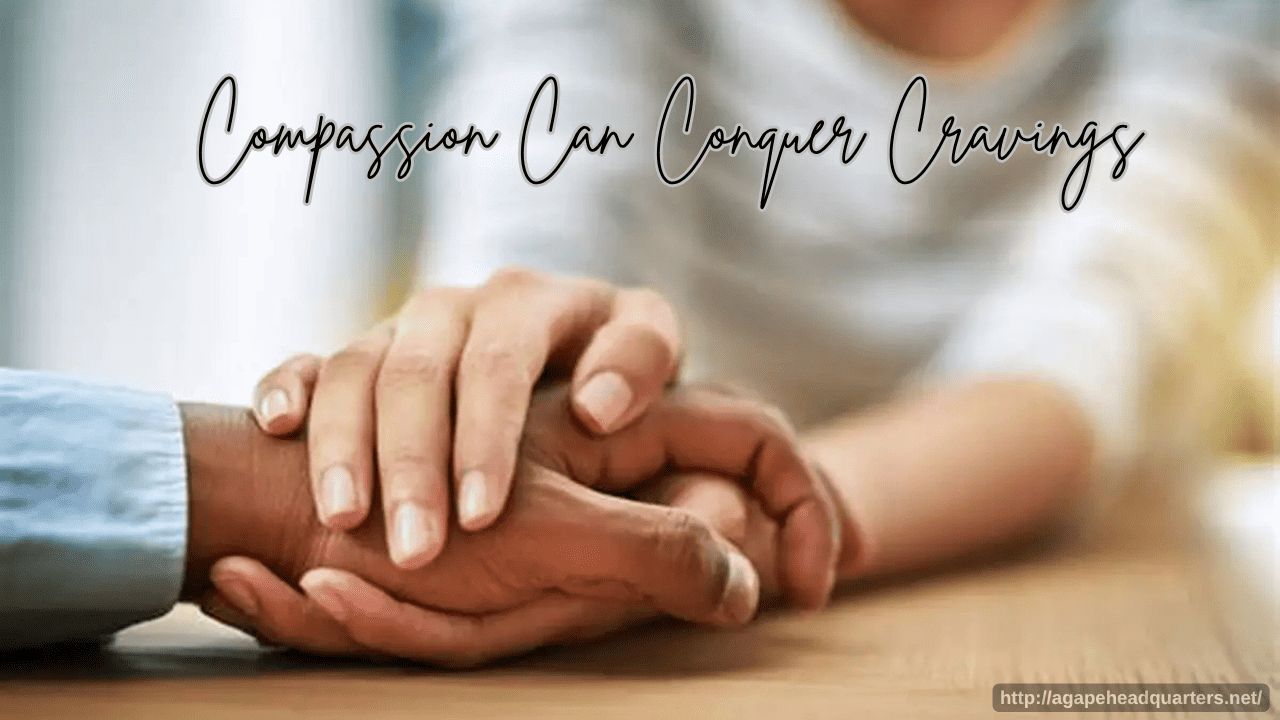
 Recovery from addiction is often described as a battle with cravings. These cravings can feel overwhelming, pulling individuals back toward harmful habits and making sobriety seem impossible. But healing is not only about resisting the urge to use substances. It is also about finding new ways to live, connect, and grow. One of the most powerful tools in this process is compassion. By practicing altruism—selfless concern for the well-being of others—people in recovery can weaken the grip of cravings and build a healthier, more fulfilling life.
Why Compassion Matters in Recovery
Moving Beyond Self-Focus
Addiction thrives in isolation and self-centeredness. Cravings often grow stronger when the mind is consumed with personal struggles, shame, or negative thoughts. Compassion redirects attention outward. Whether through volunteering, supporting fellow group members, or showing kindness to a friend, acts of altruism create a shift in focus. Instead of being consumed by inner battles, individuals discover the strength that comes from serving others.
Rebuilding Self-Worth
Many who struggle with addiction carry deep feelings of guilt and unworthiness. Compassion offers a path to healing these wounds. Helping others creates tangible proof of value and purpose. When someone in recovery sees how their actions positively impact another person’s life, it reinforces the truth that they are capable of good, meaningful change. This sense of self-worth is a vital defense against cravings, which often emerge from feelings of emptiness.
The Science of Altruism and Healing
Modern research confirms what many recovery communities have long understood: giving is good for the brain. Acts of compassion and kindness activate the brain’s reward system, releasing natural feel-good chemicals like dopamine and oxytocin. These neurochemical shifts not only elevate mood but also reduce stress and anxiety. For individuals in recovery, this provides a natural and healthy alternative to the artificial highs once sought through substances.
When compassion becomes a consistent practice, it can rewire the brain over time. Instead of turning to cravings for relief, individuals experience fulfillment through connection and contribution.
Compassion in Faith-Based and Holistic Recovery
At Agape Headquarters, we believe recovery is not one-size-fits-all. That is why our programs combine evidence-based treatments with holistic, faith-centered care. Compassion naturally fits into this model. For those with spiritual foundations, serving others is often seen as an expression of faith. For others, it is simply a human way to rebuild connection and meaning.
Practical Ways to Cultivate Compassion
-
Peer Support: Offer encouragement to others in recovery groups.
-
Service Projects: Volunteer within the community to connect with those in need.
-
Daily Kindness: Practice small acts, like checking in on a neighbor or offering a listening ear.
-
Faith-Based Outreach: Engage in church or spiritual service activities that align with personal beliefs.
Each of these practices strengthens emotional resilience and helps reduce the intensity of cravings.
Compassion as a Lifelong Tool for Sobriety
Cravings may never disappear completely, but they lose their power when the heart and mind are engaged in something greater. Compassion provides both short-term relief and long-term healing by cultivating joy, connection, and a renewed sense of purpose. Recovery becomes less about resisting temptation and more about embracing a meaningful, outward-focused life.
Take the Next Step Toward Healing
At Agape Headquarters, we are committed to guiding individuals through every stage of recovery with compassion, expertise, and personalized care. If you or a loved one is struggling with addiction or mental health challenges, know that healing is possible. By combining professional treatment with the transformative power of altruism, you can move beyond cravings and embrace a life of lasting peace and purpose.
Leave a Reply
You must be logged in to post a comment.